
When it comes to managing high-temperature applications, selecting the right cooling solution is crucial. Liquid cold plates and copper pipe cooling systems are two popular options that cater to different thermal management needs. Each system has its distinct set of strengths, making the choice highly dependent on factors such as efficiency, design flexibility, and application requirements. This article aims to compare these two technologies, helping you determine which is better suited for your specific needs.
Table of contents:
Comparing Liquid Cold Plates and Copper Pipes for Electronic Cooling
When to Choose Liquid Cold Plates Over Copper Pipes
The Benefits and Drawbacks of Copper Pipe Cooling Systems
When it comes to efficiently cooling high-performance electronic systems, two primary solutions often come to mind: liquid cold plates and copper pipe cooling systems. Both are widely used in industries where thermal management is critical, from power electronics and automotive to industrial machinery. But how do these two systems compare, and which one is better suited for your specific needs? Understanding the differences between liquid cold plates and copper pipe cooling systems is essential for making the right decision. Liquid cold plates are cutting-edge solutions designed to optimize heat transfer in compact spaces. They integrate high-quality materials like aluminum or copper with internal channels that carry liquid coolant to directly absorb and remove heat from heat-generating components. On the other hand, copper pipe cooling systems rely on copper’s excellent thermal conductivity to dissipate heat. These systems often consist of copper tubing attached to components that transfer heat to a surrounding cooling medium. While copper pipe systems are relatively simple and easy to implement, liquid cold plates offer greater flexibility in design and customization, especially for advanced applications requiring precise temperature control.
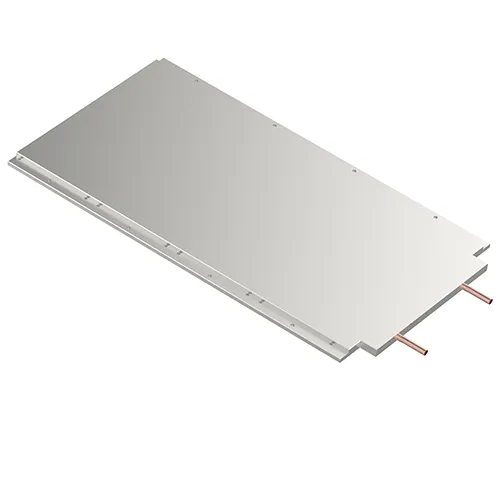
Choosing between the two often depends on your application requirements. Liquid cold plates are best suited for environments where high heat loads warrant highly efficient cooling solutions. They are particularly advantageous in industries like electric vehicles and data centers, where compactness and performance are paramount. Their ability to be custom-designed makes them a versatile choice for systems requiring specialized thermal designs. Copper pipe cooling systems excel in scenarios where simplicity and cost-effectiveness are more critical than top-notch cooling performance. For instance, they work well in environments with moderate heat dissipation needs and where customization is less of a priority. However, copper pipes tend to have limitations when it comes to cooling very high heat loads or efficiently managing thermal conductivity across larger components. Additionally, liquid cold plates generally have a lower thermal resistance compared to copper pipe systems, enabling more efficient heat transfer. The decision to opt for liquid cold plates over copper pipes often hinges on these specific functional demands.
That said, both solutions come with their own set of benefits and drawbacks. Liquid cold plates, while boasting advanced cooling efficiency and adaptability, can be more complex to manufacture and maintain. This often translates into higher upfront costs. However, their superior thermal performance in demanding applications often justifies the investment. Copper pipe cooling systems, conversely, are simpler and more cost-effective. They are often easier to install and maintain, making them a practical choice for less demanding thermal applications. However, their cooling capacity is more limited and less suited for complex designs or high-heat systems. It's also worth noting that material durability and resistance to corrosion are critical factors in the long-term performance of these systems. High-quality copper used in pipe cooling or liquid cold plates enhances longevity, making material choice crucial in applications where durability is a concern.
When selecting between liquid cold plates and copper pipe cooling systems, the choice ultimately depends on the specific requirements of the application. Liquid cold plates excel in high-performance and complex thermal management scenarios, offering superior heat dissipation at a higher cost and complexity. Copper pipe cooling systems, on the other hand, provide a more straightforward and cost-effective solution for less demanding applications. Cold forging manufacturers play a crucial role in producing high-quality copper pipes, ensuring durability and precision in these cooling systems. By carefully considering factors such as thermal performance, durability, corrosion resistance, and budget, designers and engineers can make informed decisions to meet their thermal management needs effectively.


